Into the Wild
An adventure.
Much of transcendentalist thought centers around an increased connection
with nature.
This is the school of thought that Chris McCandless subscribes to, and
part of what drove him to abandon society, in an attempt to subsist from
the land in the Alaskan wilds.
Chris McCandless wanted to, in his journey, find enlightenment of sorts.
He believed that, if there were anywhere to find it, it would be the
wild.
Opinions may differ on whether the conviction he held that he would find
enlightenment in Alaska was well founded, less extreme versions of his
beliefs prove apparent in modern day life.
Transcendentalism holds that society corrupts the inherent good of
people. And while an absolute moral judgement may be suspect, society is
not perfect. From loneliness and isolation to a lack of purpose, there
is truth in the assertion that many people find themselves disillusioned
with the structures and norms that make up our society.
But that's not to say that leaving society altogether, as preached by
transcendentalism, is the solution to these problems. In doing so, you
are ignoring not only the problem, but all the people who work to fix
them. We work best together; by abandoning each other, we not only
ignore rather than address problems, we also leave the human connection
which is so important. Chris said this succinctly towards the end of his
life, in a journal entry on July 30th:
HAPPINESS ONLY REAL WHEN SHARED
Chris did not, however, go into the woods only to leave society behind.
He always planned to come back. He hoped, as John Krakauer did in his
ascent of the Devil's Thumb, that the adventure would prove a
revolutionary experience to transform his life.
In the movie, in response to the question of what he would do once
reaching Alaska, he replied
You're just living, man. You're just there, in that moment
This is at the heart of many such adventurers, the seeking of moving
experience. It is easy, as Chris points out, to do the same thing for
the rest of your life. To go out and seek new experiences is much
harder.
Experience gives you perspective from which to view the world. It gives
you a chance to learn about yourself, as Chris aimed to do, and about
others. Society will not push us to do so, so we must push ourselves.
Throughout his journey, Chris encouraged many to abandon a sedentary
life. He prodded them to leave their societal posts to explore the world
around them, and to explore in a way that they otherwise may not have
done.
In a letter to Ronald, a friend he met along his travels, he advises
Ronald "To boldly do things which you may previously never have
thought of doing, or been too hesitant to attempt", claiming that
"Nothing is more damaging to the adventurous spirit within a man
than a secure future."
Chris pushes Ronald to abandon his house and adopt a nomadic lifestyle.
He thinks that Ronald is a fool for maintaining a habitual lifestyle. He
says that Ronald, by doing so, will "fail to discover all the
wonderful things that God has placed around us to discover."
And while I don't agree with many things in that letter, one particular
line stood out to me:
The joy of life comes from our encounters with new experiences
This perhaps sums up what so many felt they were missing, and what Chris
and Krakauer and so many others sought in their adventures: new
experiences.
P.S.
I once read a book with a religion that preached that all people came,
ultimately, from one being. That being, though much more powerful than
one human, only had one experience. It desired to learn more, to feel
more, to experience more than it could as one being. So it split
itself into many people, to live many lives. The story goes that eventually,
all people will merge back into the being, with all of their experiences,
all of their lives coming with them.
Lack of Connection
and the loneliness epidemic.
What was the last time that you shared an experience with someone else?
What did you do?
Did you go out to the movies? Did you go camping?
Who was it with? A friend? A coworker?
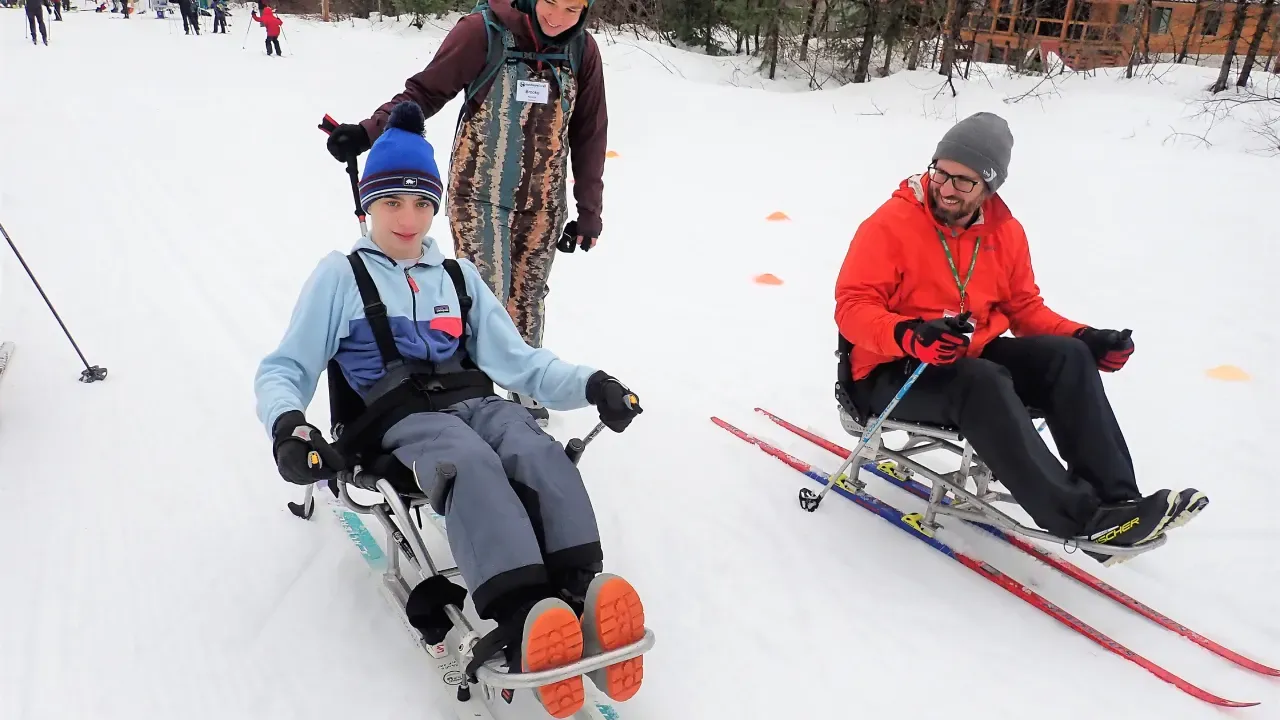
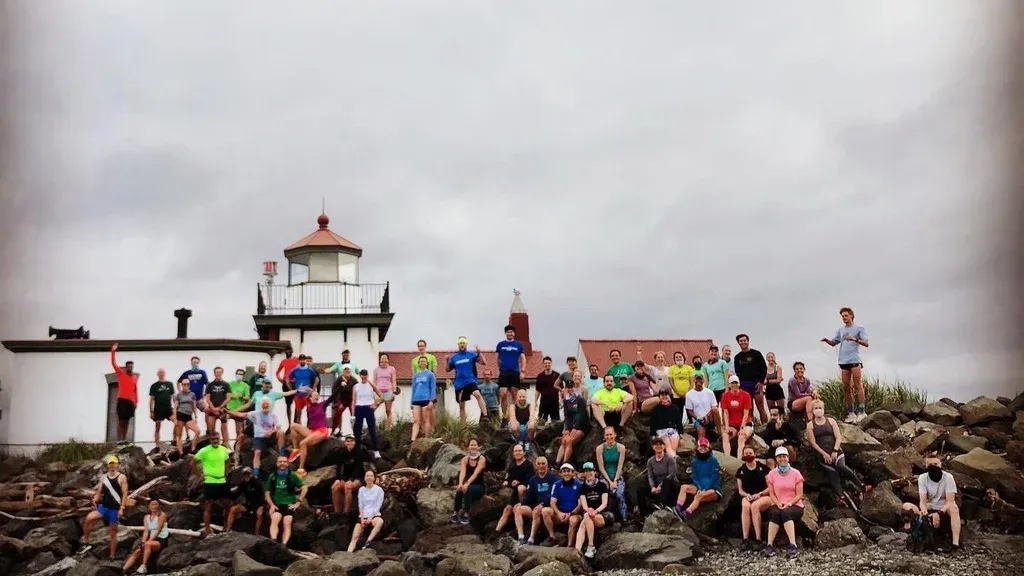
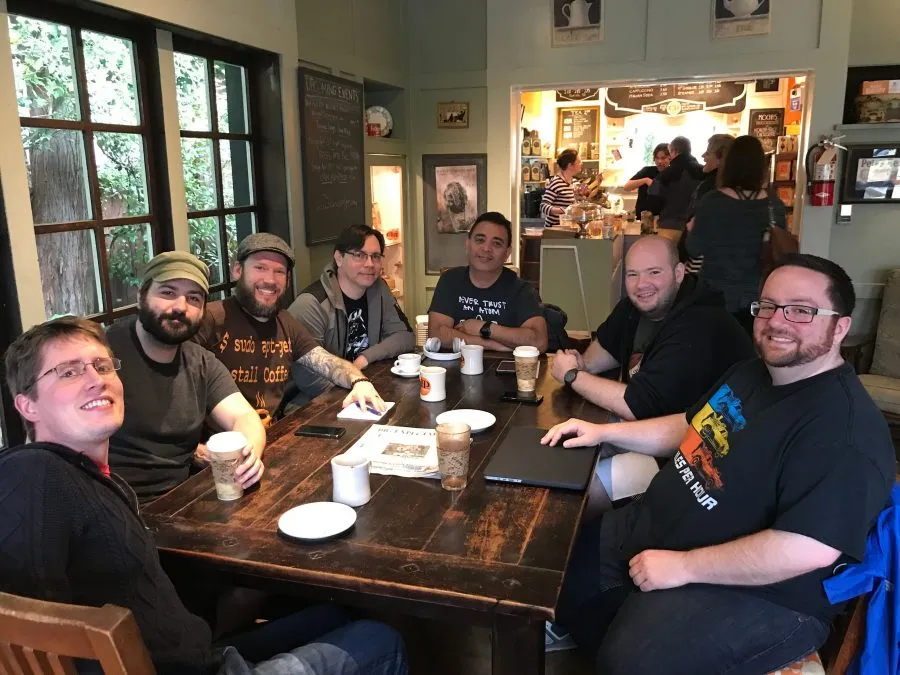
Shared experiences are one of the most potent ways to develop connection
and community.
The quality of our relationships matters more towards our happiness and
health than any other factor. Social isolation and loneliness increases
the risk of premature mortality by 29%, and the risk of developing
dementia by 50%. The effect of loneliness can be as bad as smoking up to
15 cigarettes a day.Surgeon General
Social connection is a fundamental human need, as essential to survival
as food, water, and shelterSurgeon General's Letter
We are increasingly becoming more isolated because we are moving away
from shared experiences and social activities. Anything from game nights
to hikes in the woods are opportunities to build and maintain
relationships and social connections.
And part of what is getting in the way of this is technology. When we
can simply pull up our phone and see what everyone is doing, wouldn’t
you prefer to do that then get together with your friend in person? It’s
certainly easier.
In fact, solitude is becoming the default behavior. With the ease of
online take-out reducing meals eaten out to the relevance of
working-from-home reducing connection to co-workers, we are shifting how
we live to be more isolated.
One of the key ways to improve social connection and community in our
society is to develop Social Infrastructure — programs, policies,
and physical elements of a community that support social connection. One example
of this given was that of “community-based activities”.
And part of that is to shift from online entertainment — like YouTube or
TickTock — to more in-person, communal activities.
But finding people to hang out with can be hard. In an economic system
pushing us to seek continued economic achievement, especially right now
with an unstable job market and economy, many find it difficult to
prioritize making and maintaining social connections.
Many also find that there is little context to make a friend in. Not
only has America deprioritized the construction of third places, joining
a group with shared interests can be difficult, and consistent
commitment is often avoided.
Despite this, when given the choice, people will choose a shared
experience, even if it less enjoyable and even at monetary loss. We want to forge friendships, we want to make connections. Because the enjoyment
from sharing these experiences is in the social connection, and not the emotional
experience, we can and will — to the tune of 70% more often — choose to participate
in less enjoyable experiences if that experience is shared.
So what gives? We see a dramatic increase in isolation and loneliness,
but given the option, we will choose to connect with other people. I
think that the problem is we aren’t given the option. Technology and
society has pushed us to be more isolationist. One example of this is
the dramatic shift of entertainment being experienced communally — at a
movie theater or in a park — to at home.
In Into the Wild, Chris embarked on his adventure with the
express intent of leaving society. He didn’t want to meet people, he
wanted to embark on a great adventure alone. But despite this,
throughout the book he makes many new friends, many of whom he says that
he will meet after his trip to Alaska. Krakauer had a similar
experience, describing how his trip to the Devil’s Thumb allowed him to
meet someone who “reminded him how lonely he was”.
By putting themselves in a situation to participate in social
interaction — in a place where they had to participate in social
interaction — they were making more friends and connections that many do in
their daily life, despite going out to do the opposite.
To combat this epidemic of loneliness, we need to put ourselves in
situations where we can participate in social interaction. While
we may blame a lack of time, the true culprit is how we choose to spend —
to prioritize — that time.
So next time you’re going to stay at home and watch a show after a long
week, consider looking for a local pickup game of a sport, or looking
for a local organized hike. Perhaps there’s a book club organized by
your local library.
So, when was the last time that you shared a moment with someone else?
Maybe it’s time to reach out.